



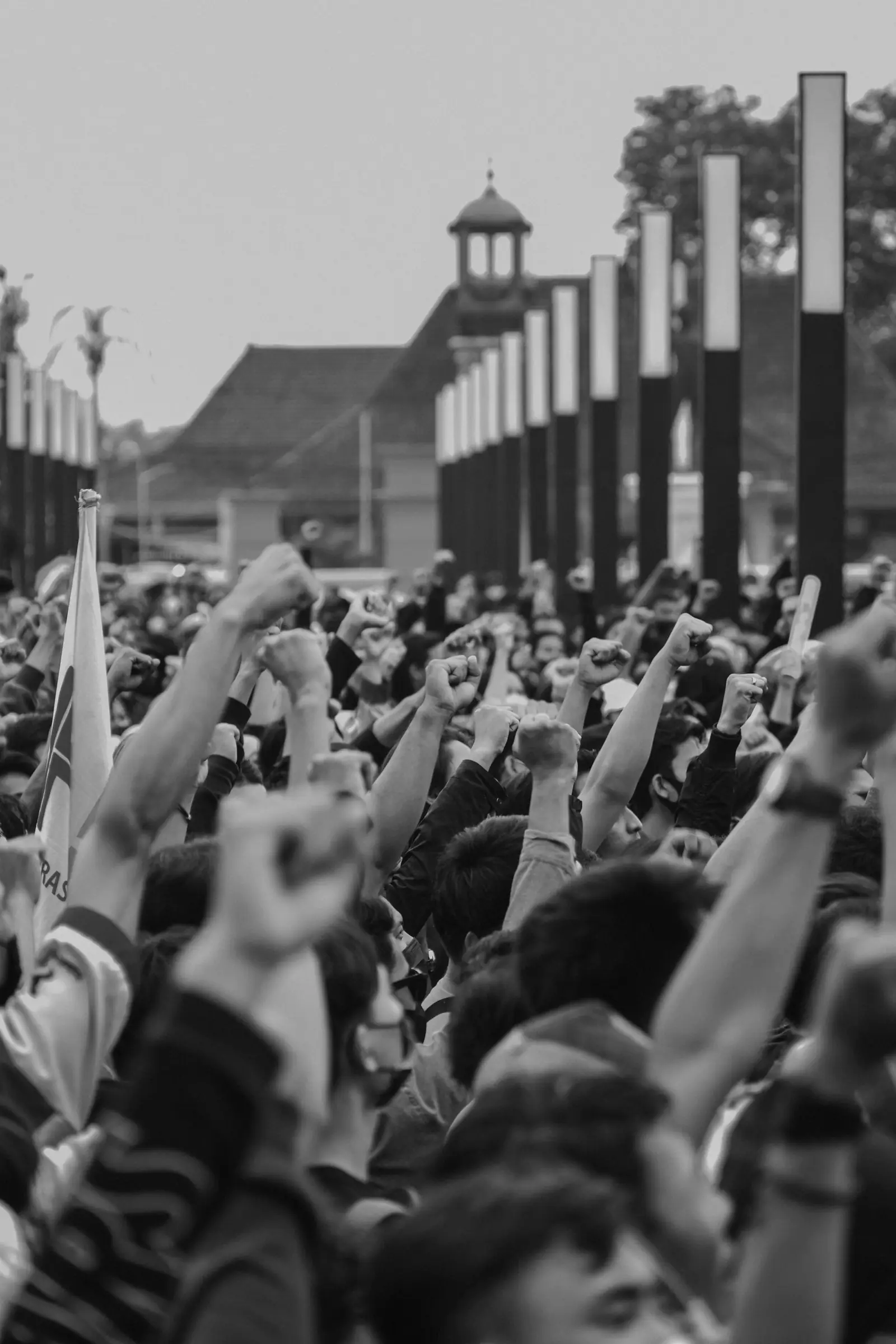
Politik milik kita! Political Science, UIN Sunan Gunung Djati Bandung
Belajar · Bersuara · Bergerak

Politics isn’t boring. It’s power.
Learn how Indonesia really works, from parliament and political parties to budgets, bureaucracies, and the village council. Theory, method, and fieldwork across eight semesters, grounded in the ethic of Rahmatan lil ʿĀlamīn.
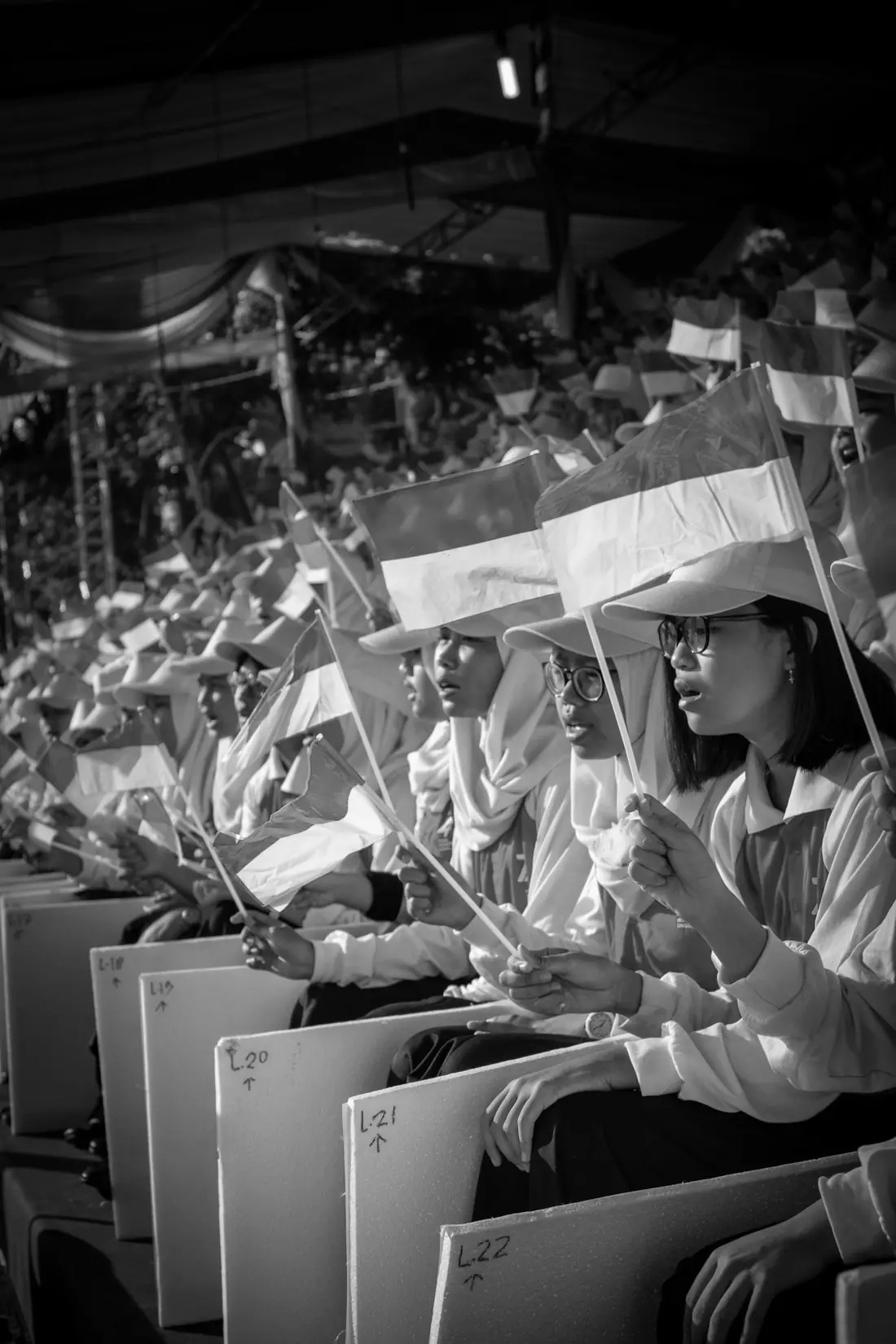
Your voice is political
What do young people think about power, policy, and participation? Hear from our students, HIMAPOL, and alumni. politics belongs to everyone, especially us.
Followus
→
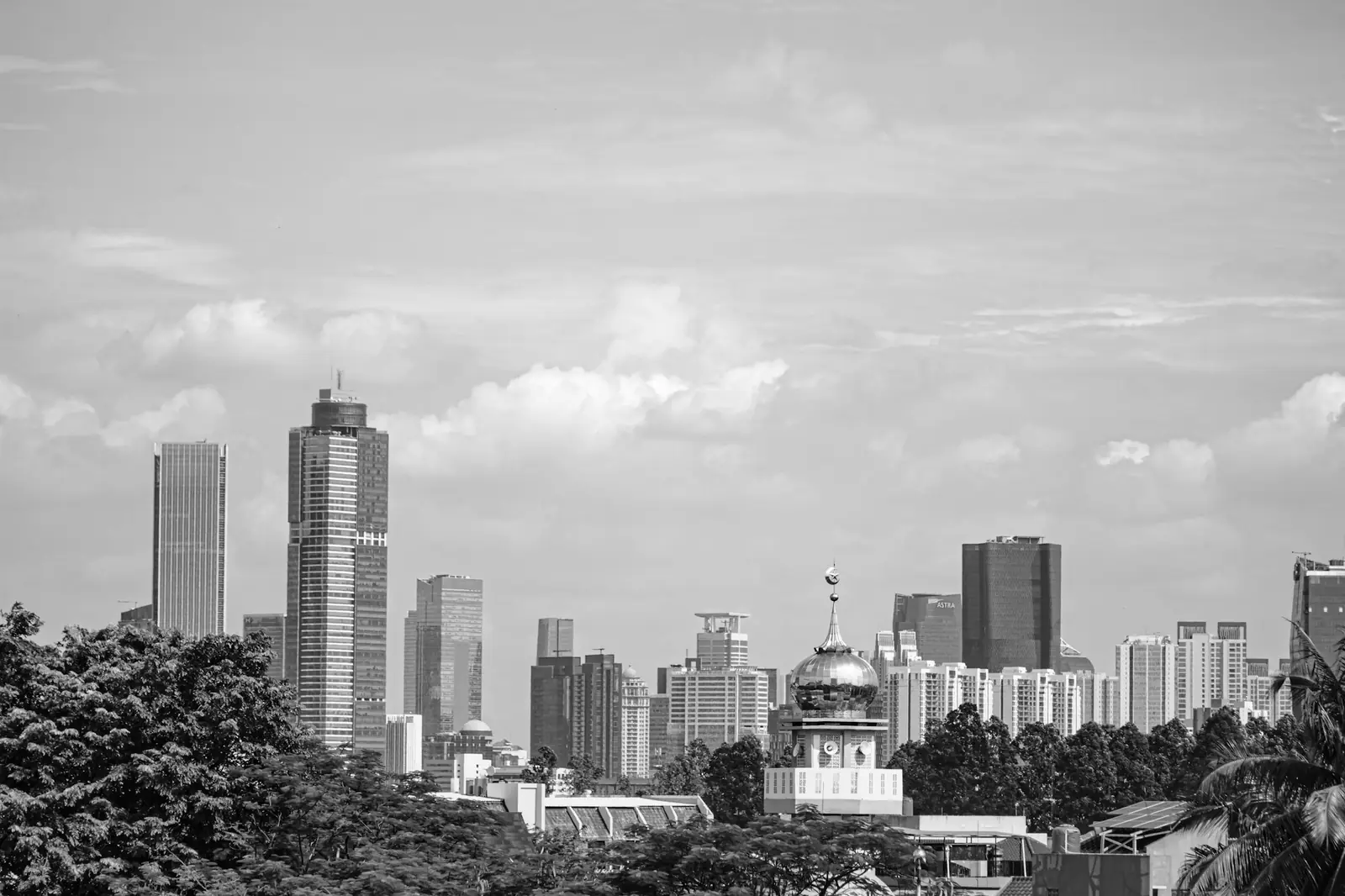
Stop watching politics, start changing it!
Ilmu Politik UIN Bandung is an undergraduate programme founded in 2018 within the Faculty of Social and Political Sciences. We want more young people to see politics as a tool for change, and to take their analysis into parliaments, ministries, electoral bodies, newsrooms, and civil society.
Why study political science, and why now?
Almost every decision that shapes your life is made through politics: the price of rice, the quality of your local school, the roads you travel on, the rights you can claim. Political science teaches you how those decisions are made, who makes them, and how ordinary citizens can change them.
Indonesia is one of the largest democracies in the world, with elections at every level from the village to the presidency. The country needs young people who can read power carefully and argue about it with evidence rather than slogans. That can be you.
Is political science only about elections and parties?
Not at all. Elections are only one part of the field. You will also study political philosophy, public policy and budgeting, bureaucracy and village government, religion and politics, social movements, digital democracy, and international politics in Southeast Asia, East Asia, and the Middle East.
Politics happens in parliament, but also in the mosque, the market, the newsroom, and on your timeline. Our curriculum follows it to all of those places.
What will I actually learn in four years?
The programme builds three kinds of skills. Theory: Western, Islamic, Sundanese, and Indonesian political thought, so you understand the big ideas behind power, legitimacy, and justice. Method: qualitative and quantitative research, social statistics, political analysis, and polling and public opinion, so you can test claims with real data. Practice: electoral governance, public policy, political communication, and e-governance.
In the later semesters you take your skills outside the classroom through community service (KKN) and a field internship (PKL), and you finish with your own undergraduate thesis.
Do I need to be good at maths, or already active in politics?
No. What you need is curiosity and the courage to ask questions. Statistics is taught from the basics in Introduction to Social Statistics, and every research method is learned step by step.
Many of our students had never joined an organisation before they arrived. They discovered their voice here, in class debates, in HIMAPOL, and in the Political Laboratorium.
What makes this programme different from others?
We combine a rigorous political science curriculum with the ethic of Rahmatan lil ʿĀlamīn: politics in the service of the common good. You can explore Islam and politics in depth through Fiqh Siyasah, Islamic Political Thought, and Islam and Democracy, while also studying comparative politics, public policy, and international relations.
You learn from active researchers. Our faculty includes three professors, and many lecturers study the very issues they teach, from political Islam and democratic institutions to defence and international relations.
What careers can I pursue after graduating?
The programme prepares you for four main profiles: political researcher, public policy analyst, political consultant, and political communicator.
Our alumni already work as election organisers at the General Elections Commission (KPU) and the Election Supervisory Body (Bawaslu), as expert staff to legislators, as civil servants in government institutions, and as activists in civil society organisations. Others have become academics, researchers, consultants, and political communicators who shape public opinion through the media and digital campaigns.
Can I continue to a master’s degree, even abroad?
Yes. Many of our alumni have continued to master’s programmes in Indonesia and abroad with scholarships from the Indonesia Endowment Fund for Education (LPDP), the Ministry of Religious Affairs, and other institutions.
While you study, you can also apply for university and external scholarships. Current calls and requirements are listed on our scholarships page.
Can students get involved in research?
Yes, and we encourage it from your first year. The Political Laboratorium runs the Centre for Politics and Government and the Centre for Global Affairs and Public Policy, with seminars, workshops, and applied studies that students can join.
When you write a strong paper, you can publish it in Candidate, our student journal. Politicon, our peer reviewed journal, publishes the faculty research you will read, discuss, and cite.
What is student life like?
HIMAPOL, the Political Science Student Association, has been running programmes since 2021: discussions, training, advocacy, and events that build leadership and networks. Students also use the Language Laboratory and the Media Laboratory to sharpen their communication and media analysis skills.
On campus you have a central library, a mosque, Wi-Fi in every area, a career centre, a sports centre, and access to health and psychological services.
Is the programme accredited?
Yes, and with the highest rating. The programme opened in 2018 and is now accredited Unggul (Excellent), the top accreditation grade for study programmes in Indonesia. For a programme not yet ten years old, it is a promise of the quality you will get here.
You can view the accreditation certificate on our accreditation page.
How do I apply?
Admission runs through the national and university selection pathways of UIN Sunan Gunung Djati Bandung. Choose Political Science (Ilmu Politik) at the Faculty of Social and Political Sciences when you register.
Still unsure? Write to us at ipol@uinsgd.ac.id or visit us on campus. We are happy to answer your questions.
Learn how power works
all
- Field 01

Political Theory & Thought
From Western canon to Islamic, Sundanese, and Indonesian traditions of political thought, alongside political philosophy and ethics.
- Field 02
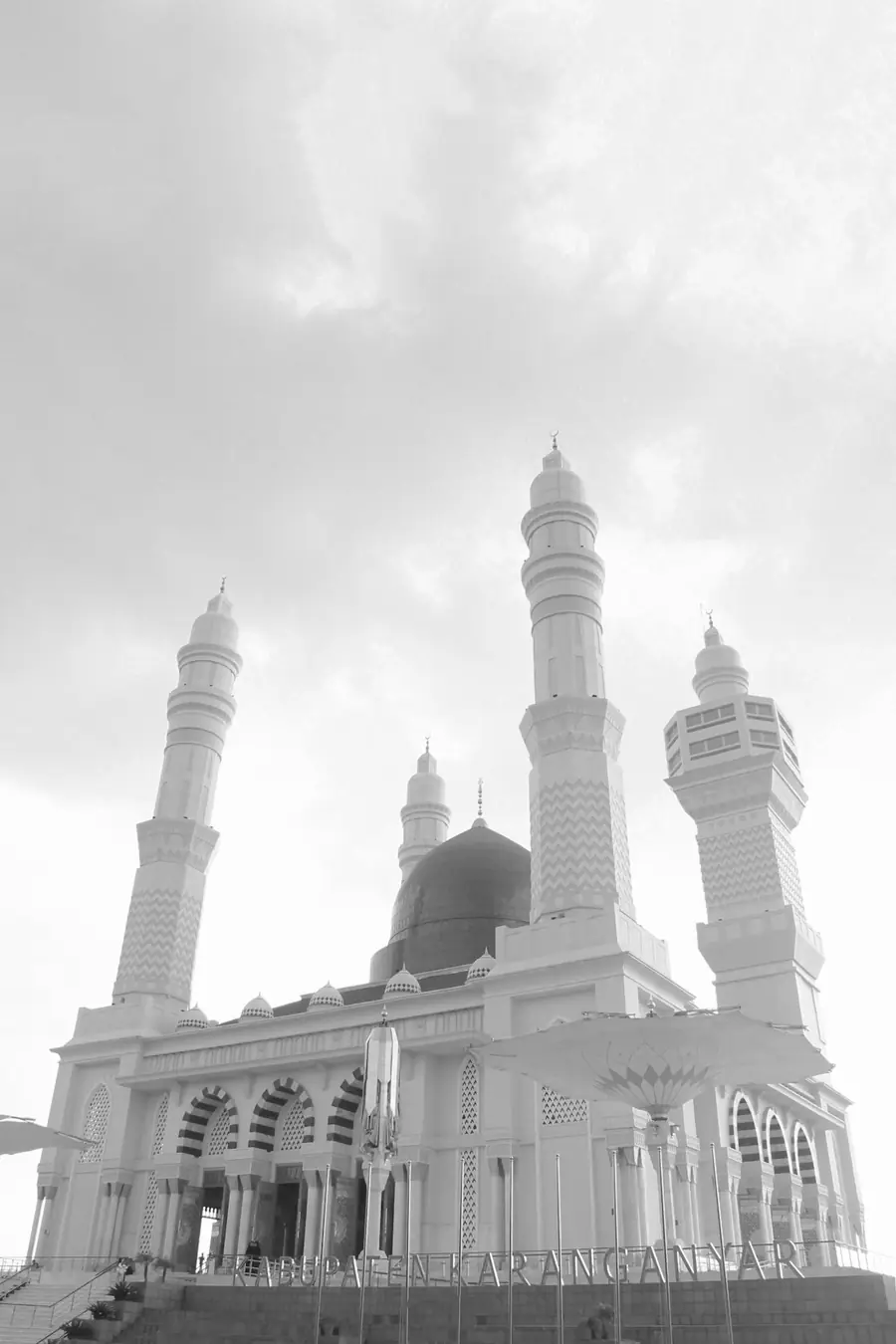
Religion & Politics
How faith, law, and identity structure institutions and participation in Muslim-majority democracies.
- Field 03

Elections, Parties & Democracy
The machinery of representation: electoral systems, party competition, local democracy, and public opinion.
- Field 04
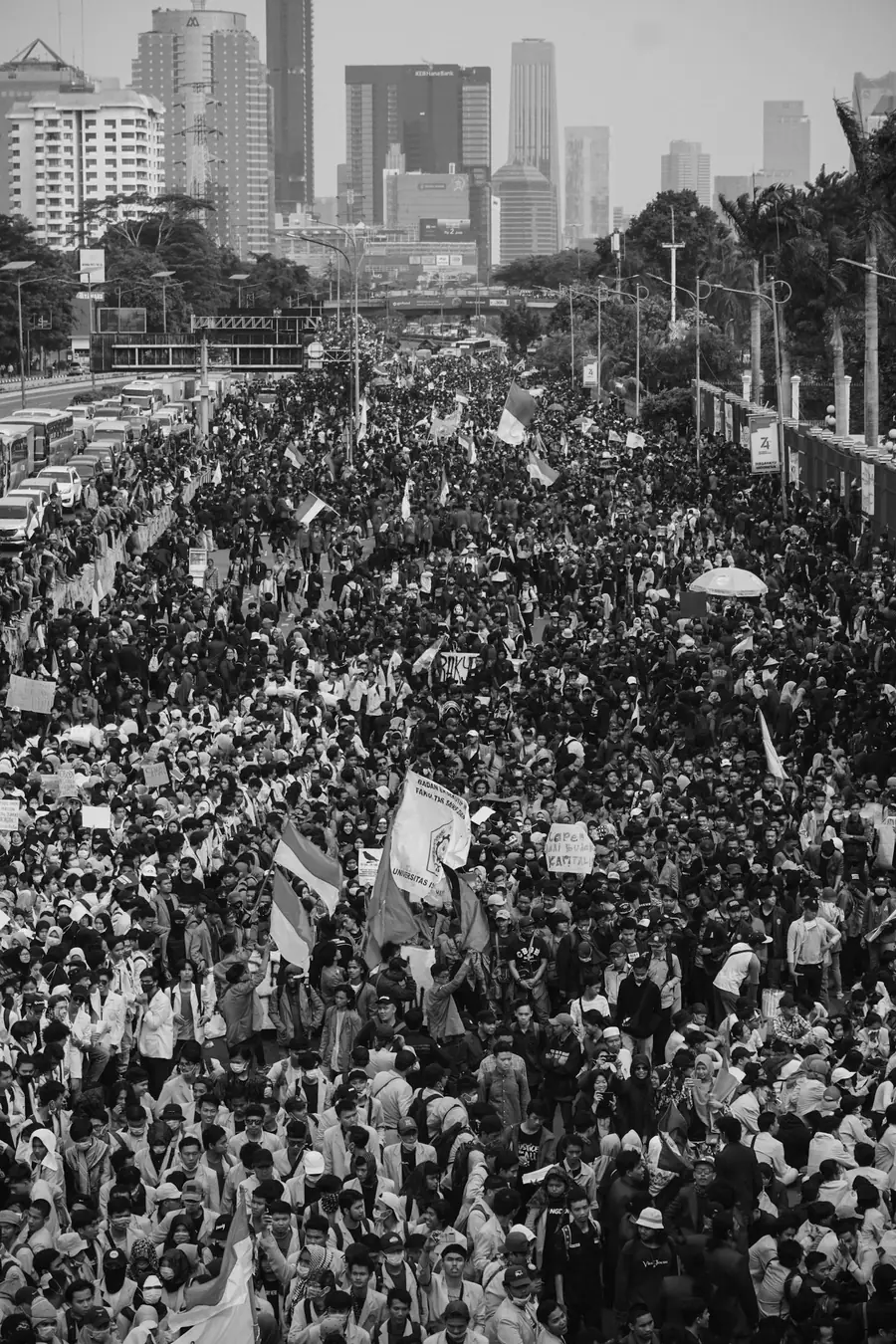
Public Policy & Governance
Who decides, who pays, and who implements: bureaucracy, budgets, village government, and e-governance.
- Field 05
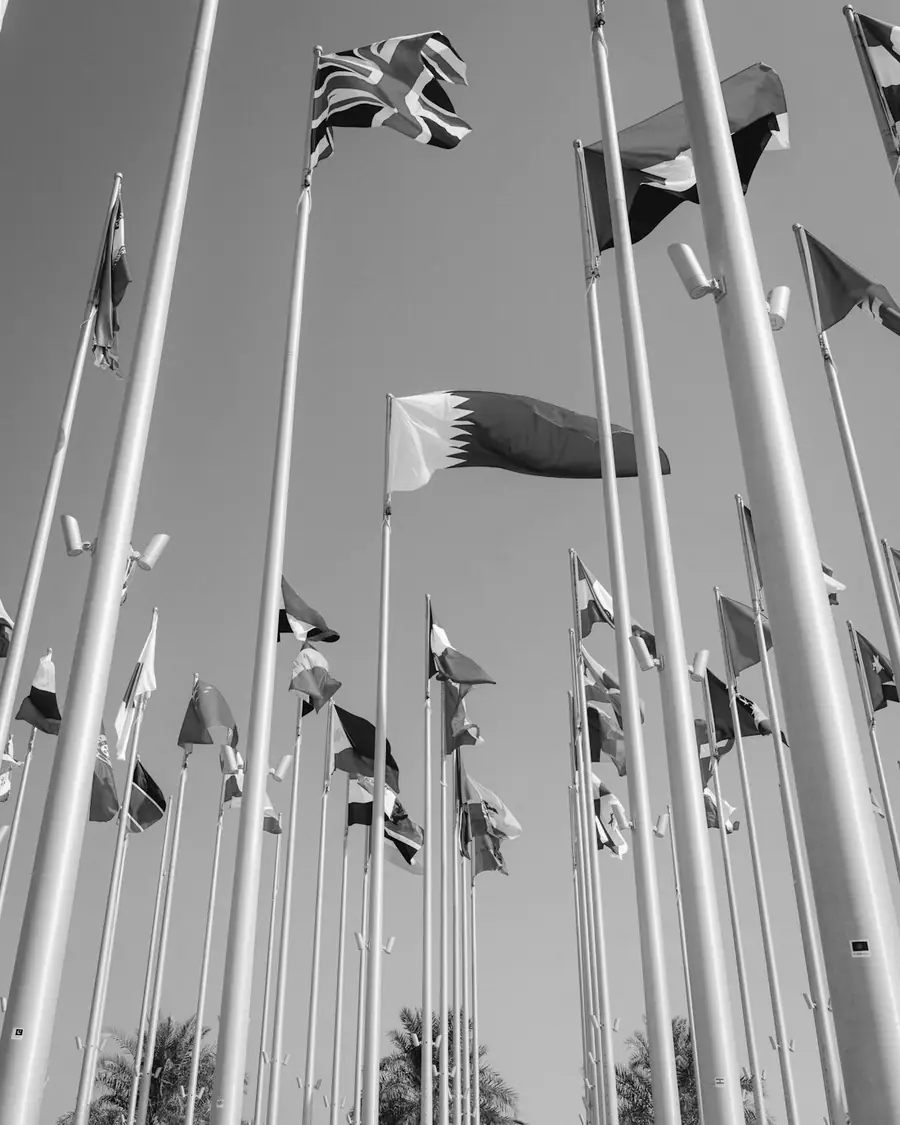
Comparative & International Politics
Indonesia read against Southeast Asia, East Asia, and the Middle East, and within international organisations.
- Field 06

Digital Politics & Method
Research design for a datafied public sphere: qualitative and quantitative methods, political analysis, and digital democracy.
PoliticsQuiz
How well do you know the politics around you? Answer five quick questions and find out your level of political literacy.
Learn about power
Knowledge is power. Our Political Laboratorium runs the Centre for Politics & Government and the Centre for Global Affairs & Public Policy, while Politicon andCandidate publish faculty and student research.
Visitthe lab
→

Guides & documents
Looking for the curriculum, academic rules, or procedures? Everything students and lecturers need, in one place. Read online or download.